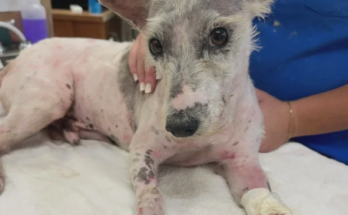
In Portland, Oregon, under a gray overpass thick with graffiti, a small tan dog lived among the tents.
His person was a man named Joe, who had lost his job, then his apartment, and finally his belief that he still belonged “out there.” The dog, named Chico, was a constant, warm presence pressed against his side at night, a reason to get up each morning and find enough food for two.
One winter, a city outreach team came through, offering shelter beds to people in the camp. “You can bring a small bag of belongings,” they said. “No pets, I’m afraid.”
Joe hesitated. Chico leaned against his leg, shivering.
“Come on, man,” another camper said. “You can’t stay out here. It’s gonna hit freezing.”
“Can he come?” Joe asked the outreach worker, voice already breaking, though he knew the answer.
“I’m really sorry,” the worker said. “We’re trying to change that policy, but for now…”
That night, Joe wrapped Chico in his only dry blanket. He lay awake, listening to the wind whistle under the bridge, feeling the dog’s heartbeat match his own.
By dawn, his fingers were numb. He sat up, coughing, and decided. He’d heard there was a rescue that sometimes took dogs from the camps, found them homes.
“I’m gonna get you somewhere warm,” he told Chico. “Somewhere better than this.”
He carried the dog in his arms to the bus stop. They rode across town, drawing curious looks and a few smiles. At the rescue’s door, he stopped, suddenly unsure.
Inside, the staff greeted him kindly. They examined Chico, noting his patchy fur, his infected ear, the way he never stopped looking back at Joe.
“We can take him,” they said. “We’ll get him the care he needs and find him a home. You can visit during open hours.”
Joe nodded, unable to speak. He knelt and hugged Chico hard. “Be good,” he whispered into soft fur. “Don’t forget me, okay?”
Chico licked his face frantically, whining, as if he didn’t understand why this goodbye felt permanent.
The first week, Joe came every visiting day, sitting by Chico’s kennel, talking to him through the bars. Chico cried when Joe left, scratching at the door until his paws bled.
The second week, Joe came once.
The third week, he didn’t come at all.
The rescue tried calling the number he’d given, but it was disconnected. Outreach workers said they hadn’t seen him back under the bridge. “He might have moved on,” they said. “Could be anywhere.”
Chico slowly stopped waiting at the door. He started to relax into the gentle hands that fed him and cleaned his ears. Eventually, a young couple adopted him. They renamed him “Benny” and posted pictures of him on Instagram wearing sweaters and sleeping on a couch.
He slept deeply at night, but sometimes he startled awake, heart racing, certain he heard the rumble of cars overhead and felt cold concrete under his paws. He would look around at the warm apartment, the soft bed, the people who loved him.
Somewhere, in some city corner or shelter bed or unmarked grave, Joe’s story ended quietly. No one ever told Benny. Sometimes, when the wind howled just right, he would run to the door and stare at it, waiting for someone who would never open it again.