On a forgotten stretch of highway in Missouri, there was a roadside “petting zoo” that was more rust than fence, more mud than grass. Families stopped on long drives to feed pellets to tired animals through sagging wire.
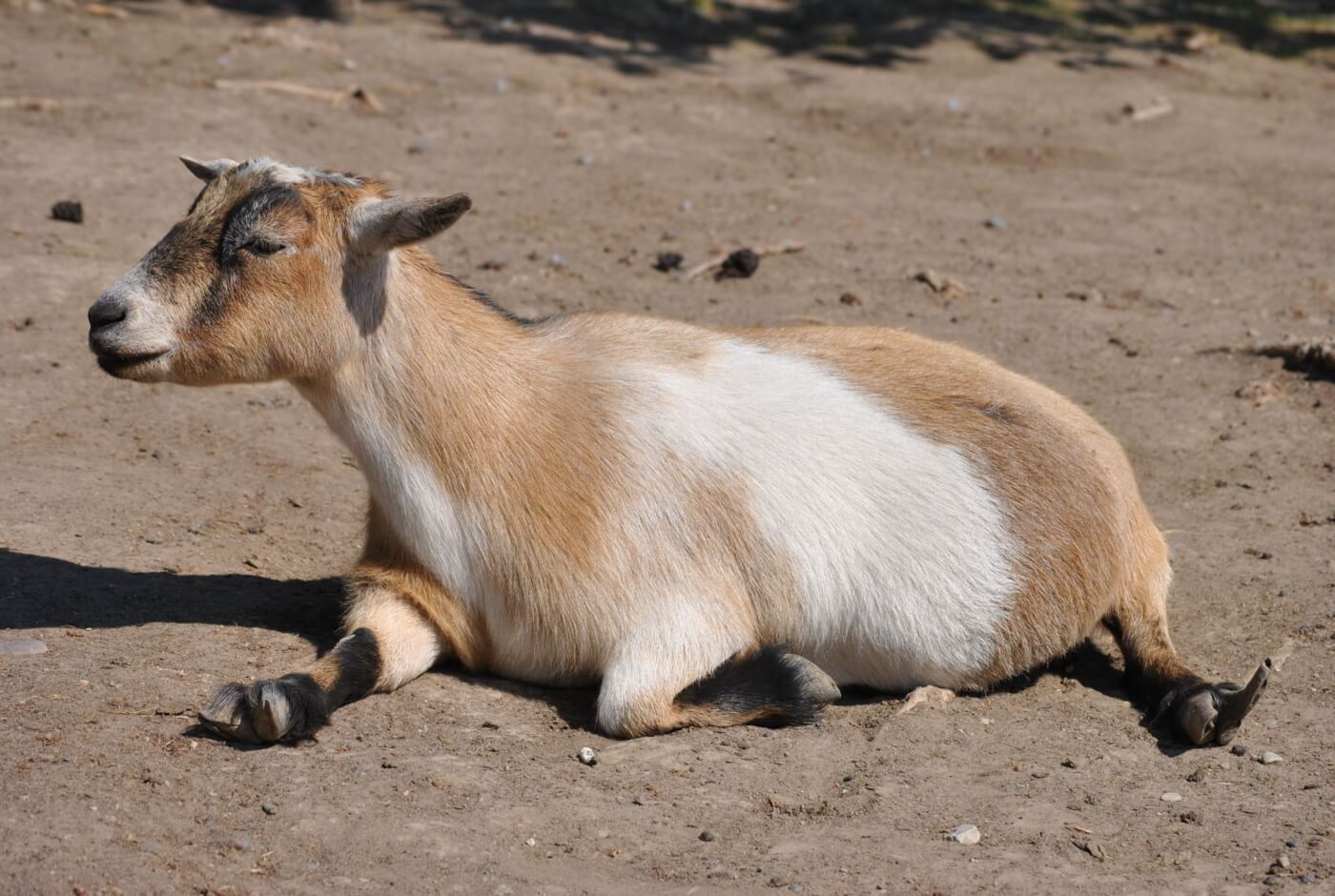
In the smallest, muddiest pen lived a white goat the staff called Patch, though no one bothered to put his name on a sign. His ribs showed under his dirty coat, and his hooves had grown long and twisted.
One summer afternoon, a family from out of state stopped there to stretch their legs. The teenage daughter, Emily, was into animal activism and rescue TikTok. When she saw Patch, head hanging low, eyes dull, she felt her stomach flip.
She recorded him chewing slowly on a piece of stale bread, his body swaying like he could barely hold himself up. She posted it with shaking hands: “This goat is literally starving at some random roadside zoo. How is this legal?”
The video blew up. Comments poured in: “Call animal control!” “Tag every rescue in Missouri!” “I’ll donate if someone saves him!”
Emily did call—local animal control, a farm sanctuary, anyone who might listen. They said versions of the same thing: “We’re aware of that place. We’re working on it. Laws are complicated. We need more evidence.”
So she went back the next day with her parents and filmed more. Patch trying to lie down and struggling back up because the ground was so wet and cold. Patch limping on overgrown hooves. Kids laughing nearby, tossing popcorn into the pen.
Pressure mounted online. A larger rescue account shared the story. Donations rolled in. Reporters called. Finally, under public scrutiny, authorities showed up with a warrant.
Footage of Patch being led out of the pen, stumbling with every step, went viral under the hashtag #FreePatch. People cheered in the comments: “He’s safe!!” “We did it, internet!”
At the sanctuary that agreed to take him, staff worked through the night. They trimmed his hooves carefully, cleaned infected sores, started him on good hay and clean water. Patch seemed confused by the sudden kindness, but he leaned into the hands that held his face, closing his eyes for the first peaceful moments he’d had in years.
Updates showed him under a heat lamp, wrapped in blankets. “He’s very weak,” the sanctuary posted. “But he’s a fighter.”
Emily refreshed their page constantly from two states away, heart pounding with every new photo. She imagined visiting him one day, watching him run on proper hooves through green grass.
But damage doesn’t always announce itself loudly. Weeks of malnutrition, infections left untreated, bones weakened by constant strain—Patch’s body carried all of it like invisible scars.
One chilly morning, staff found him lying quietly in his stall. At first they thought he was sleeping. When they called his name, he didn’t move.
The vet said his heart had likely given out. “Sometimes,” she said softly, “they only let themselves relax once they finally feel safe.”
The sanctuary posted the update with a photo of Patch’s pen, now empty, a pile of clean straw where he had slept his last night. Text read: “He knew love in the end. Thank you for helping us get him here.”
The comments went wild again, now filled with rage and heartbreak. People demanded stricter laws, posted petitions, promised to “never visit cruel roadside zoos again.” Some good came of it—local authorities finally shut the place down. Other animals were saved because of Patch’s story.
But Patch himself never saw the pasture they’d promised him. His freedom lasted only a handful of days between a rotten pen and a quiet stall.
For Emily, the victory felt hollow. She saved the screenshots of him at the sanctuary anyway, telling herself that even a short time of kindness mattered. Somewhere, beyond hashtags and headlines, a tired goat finally lay down without fear and didn’t have to get back up.